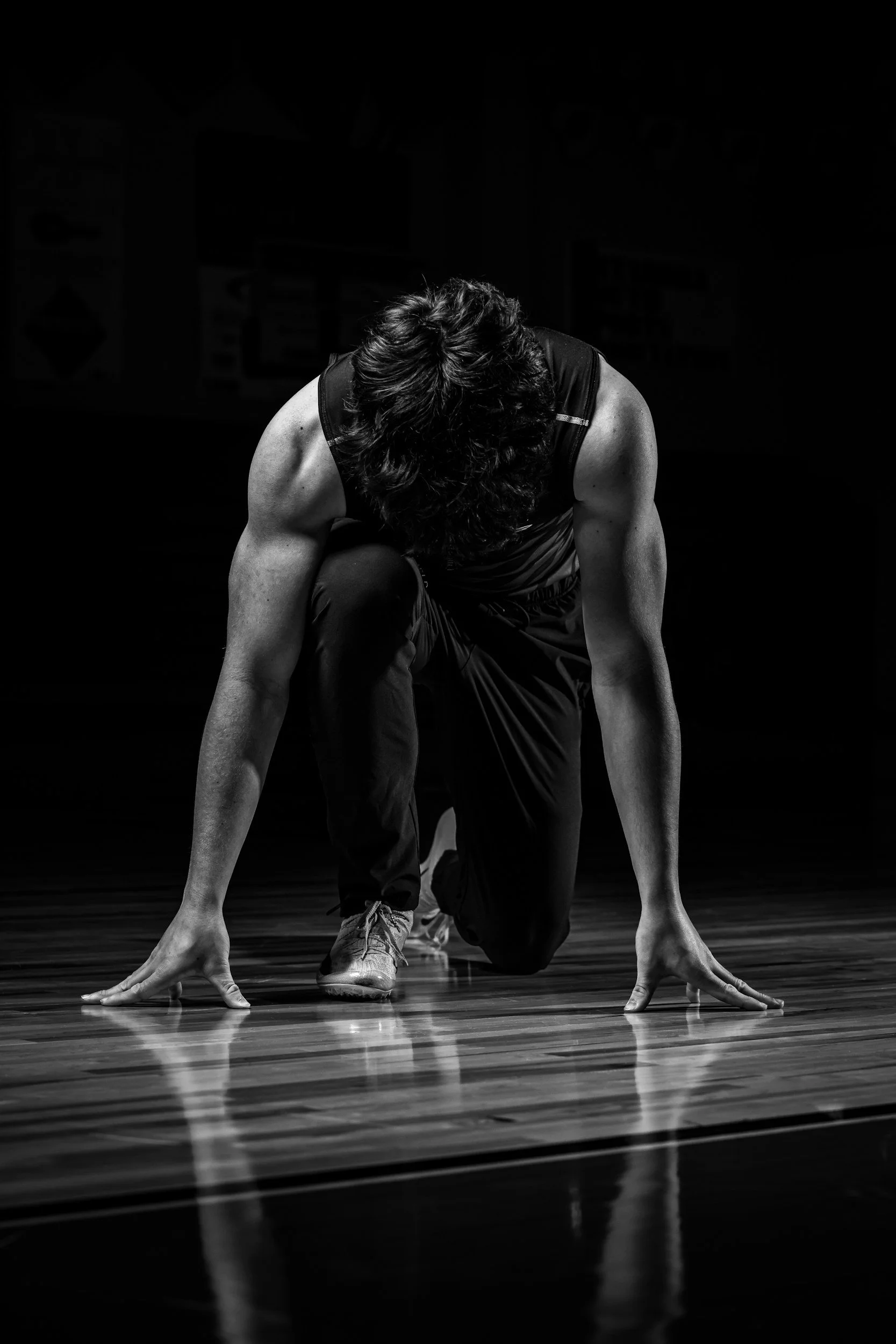
ACHES & PAINS
Living with pain—whether constant or recurring—can affect how you move, perform, and feel every day. Often, aches and discomfort aren’t just from overuse or aging—they reflect how the body adapts to stress, posture, and past injuries over time.
At RolfPros in Greenwood Village, we address the root causes of pain through Rolfing® Structural Integration within the Recover Right® Model of Care. Rather than treating symptoms in isolation, Rolfing® works with the whole body to restore alignment, release tension, and support more efficient, comfortable movement.
Explore common pain patterns below and discover how Rolfing® can help you move better, recover right, and perform at your best.
Headaches
Headaches and migraines often stem from more than just stress or dehydration. Structural imbalances throughout the body—especially in the neck, jaw, shoulders, and upper back—can contribute to chronic head pain. Common contributing factors include:
Forward head posture from prolonged screen use
Chronic neck and shoulder tension
Restricted fascia in the scalp, neck, or upper spine
Old injuries or whiplash
Poor breathing patterns that increase tension
When connective tissue tightens or posture collapses, compression can affect blood flow, nerve signaling, and muscular coordination—often triggering recurring headaches.
How Rolfing Can Help
Rolfing addresses headaches by working with the entire body, not just the head. Sessions often focus on releasing tension in the neck, shoulders, jaw, ribcage, and spine while improving overall posture and movement efficiency. By reducing strain patterns and restoring balance, many clients experience fewer headaches, reduced intensity, and improved body awareness that helps prevent recurrence.
Rolfing at RolfPros is delivered within our RecoverRight® Model of Care to support smarter, longer-lasting recovery.
Neck
Neck pain is increasingly common due to modern lifestyle habits. Common contributors include:
Forward head posture
Prolonged screen use
Stress and tension
Poor sleeping positions
Old injuries or whiplash
Imbalances in the shoulders or upper back
Because the neck supports the head and connects it to the rest of the body, even small imbalances can lead to significant discomfort.
How Rolfing Can Help
Rolfing addresses neck pain by improving alignment and reducing strain throughout the entire body. Sessions often include work on the spine, shoulders, ribcage, and head to support better posture and movement. Clients frequently experience reduced tension, increased mobility, and a greater sense of ease.
Rolfing at RolfPros is delivered within our RecoverRight® Model of Care to support smarter, longer-lasting recovery.
TMJ
Jaw tension and TMJ discomfort are often connected to stress, posture, and structural imbalance. Common contributing factors include:
Teeth grinding or clenching
Stress and emotional tension
Forward head posture
Neck and shoulder tightness
Past dental work or trauma
Restricted fascia in the jaw, face, or neck
Because the jaw is closely linked to the neck and nervous system, tension here can radiate throughout the body.
How Rolfing Can Help
Rolfing works with the jaw in the context of the entire body—especially the head, neck, shoulders, and spine. Gentle, precise work can help release chronic tension, improve alignment, and support more relaxed jaw function. Clients often notice reduced pain, improved comfort, and a greater sense of ease in the face and neck.
Rolfing at RolfPros is delivered within our RecoverRight® Model of Care to support smarter, longer-lasting recovery.
Shoulder
The shoulder is one of the most mobile—and vulnerable—joints in the body. Pain often develops when movement patterns become inefficient or when surrounding tissues lose balance. Common causes include:
Poor posture (rounded shoulders, slouching)
Repetitive motions (lifting, reaching, sports, desk work)
Rotator cuff strain or overuse
Old injuries or surgeries
Restricted fascia in the chest, upper back, or arms
Compensation from neck or mid-back issues
Because the shoulder relies on coordination between the arm, shoulder blade, spine, and ribcage, problems elsewhere in the body frequently contribute to shoulder pain.
How Rolfing Can Help
Rolfing works to restore healthy movement patterns by addressing restrictions throughout the shoulder girdle and beyond. Sessions often include work on the arms, chest, upper back, ribcage, and spine to improve alignment and coordination. Clients frequently report increased range of motion, reduced pain, and more ease in everyday movements.
Rolfing at RolfPros is delivered within our RecoverRight® Model of Care to support smarter, longer-lasting recovery.
Hand/Wrist
Pain in the hands and wrists is often associated with repetitive use and poor movement mechanics. Common causes include:
Computer or phone use
Repetitive gripping or fine motor tasks
Carpal tunnel–like symptoms
Forearm tension
Poor shoulder or upper-body mechanics
Old injuries or overuse
Restrictions in the arms, shoulders, or neck can place excess strain on the wrists and hands.
How Rolfing Can Help
Rolfing looks beyond the wrist itself to address restrictions throughout the arms, shoulders, and upper body. By improving overall coordination and reducing tension in the connective tissue, Rolfing can help restore ease of movement, reduce discomfort, and support healthier use patterns.
Rolfing at RolfPros is delivered within our RecoverRight® Model of Care to support smarter, longer-lasting recovery.
Back
Back pain is one of the most common reasons people seek bodywork. It rarely exists in isolation and is often linked to whole-body imbalance. Common contributors include:
Prolonged sitting or poor posture
Uneven weight distribution or gait issues
Core weakness or lack of spinal support
Tight hip flexors or hamstrings
Old injuries or repetitive strain
Stress-related tension held in the spine
When the body is out of balance, the back often compensates—leading to chronic discomfort, stiffness, or flare-ups.
How Rolfing Can Help
Rolfing approaches back pain by improving overall structural alignment rather than focusing only on the painful area. By working with the spine, pelvis, legs, and connective tissue network, Rolfing helps redistribute strain and support more efficient movement. Many clients experience lasting relief, improved posture, and greater ease in daily activities.
Rolfing at RolfPros is delivered within our RecoverRight® Model of Care to support smarter, longer-lasting recovery.
Knee
Knee pain often originates from issues above or below the joint rather than the knee itself. Common causes include:
Poor alignment of hips, legs, or feet
Overuse from running, sports, or repetitive activity
Tight quadriceps, hamstrings, or calves
Old injuries or surgeries
Imbalanced gait or weight distribution
Weak or under-engaged stabilizing muscles
Because the knee is a hinge joint, it is especially sensitive to rotational forces and misalignment.
How Rolfing Can Help
Rolfing addresses knee pain by examining how the entire lower body functions together. Sessions often focus on the feet, ankles, legs, hips, and pelvis to improve alignment and load distribution. By restoring balance and coordination, Rolfing can reduce strain on the knee and support smoother, more resilient movement. Flexible, expert advice when you need it. Book hourly support across a range of topics—from planning to problem-solving. This focused consultation will help clarify your goals, map out next steps, and identify opportunities for growth.
Rolfing at RolfPros is delivered within our RecoverRight® Model of Care to support smarter, longer-lasting recovery. Book your session today and RecoverRight®
Ankle / Foot
The feet are the foundation of the body. When they lose mobility or alignment, pain often develops locally or travels upward. Common causes include:
Flat feet or high arches
Poor footwear
Old sprains or injuries
Plantar fascia tension
Imbalanced gait
Compensation from hips or knees
Because every step involves the feet, even small dysfunctions can create widespread strain.
How Rolfing Can Help
Rolfing helps restore balance and adaptability in the feet and ankles while addressing how they connect to the legs and pelvis. Improved foot function can enhance overall posture, reduce pain, and support smoother, more efficient movement throughout the body.
Rolfing at RolfPros is delivered within our RecoverRight® Model of Care to support smarter, longer-lasting recovery. Book your session today and RecoverRight®